HACCP & Temperature Monitoring for Food Safety in the GCC
What HACCP expects
HACCP (Hazard Analysis and Critical Control Points) hinges on monitoring and recording temperatures at critical control points — receiving, cold storage, transport and cold display. If you cannot show a recorded temperature, you cannot prove control.
Where temperature data loggers fit
- **Receiving** — a PDF logger record proves inbound goods were in range before acceptance
- **Cold chain transport** — a logger attached to each pallet or shipper records the full lane profile
- **Storage** — reusable multi-use loggers monitor cold rooms and display cabinets
- **Dispatch** — logged data backs your release decision and provides recall evidence
Recommended monitoring practice
- Place loggers at the **warmest** point of the load, not the coldest
- Pre-set alarm limits at the food-safety threshold for the specific commodity
- Keep records linked to the specific consignment or batch
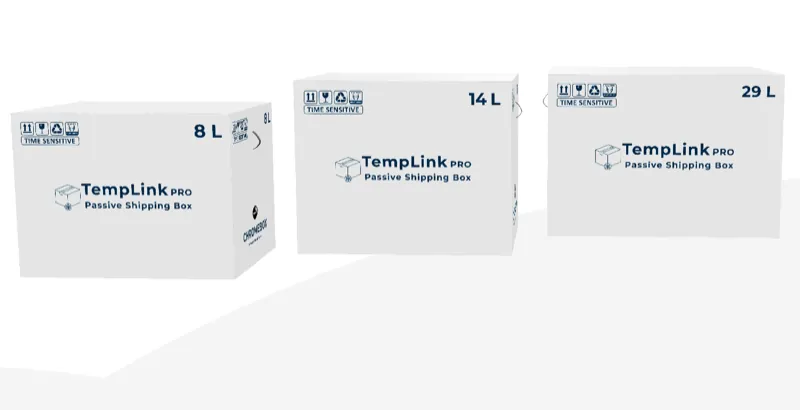
- Pair loggers with validated passive shippers so the temperature stays in range
Why the GCC is demanding
With ambient temperatures over 45°C in summer, the drop between the shipper and the storage room is where most excursions happen. A strong log + shipper combination protects both product and brand.
Royal Kana supplies food-safe USB/PDF loggers and validated shippers from Dubai, helping food importers and distributors across the GCC meet HACCP documentation requirements.
Need help with your cold chain setup? Contact Royal Kana.